














Make Your Students The Federal Reserve Chair
Bring Rapunzl's econ mini-game Run The Fed to your classroom and provide students with the same tools as a Central Bank to guide us through crisis. Students steer the economy through booms and busts by adjusting the federal funds rate, learning why the Fed's dual mandate is harder than it looks.
- ~3 hours
- High School Economics
- Built into Rapunzl

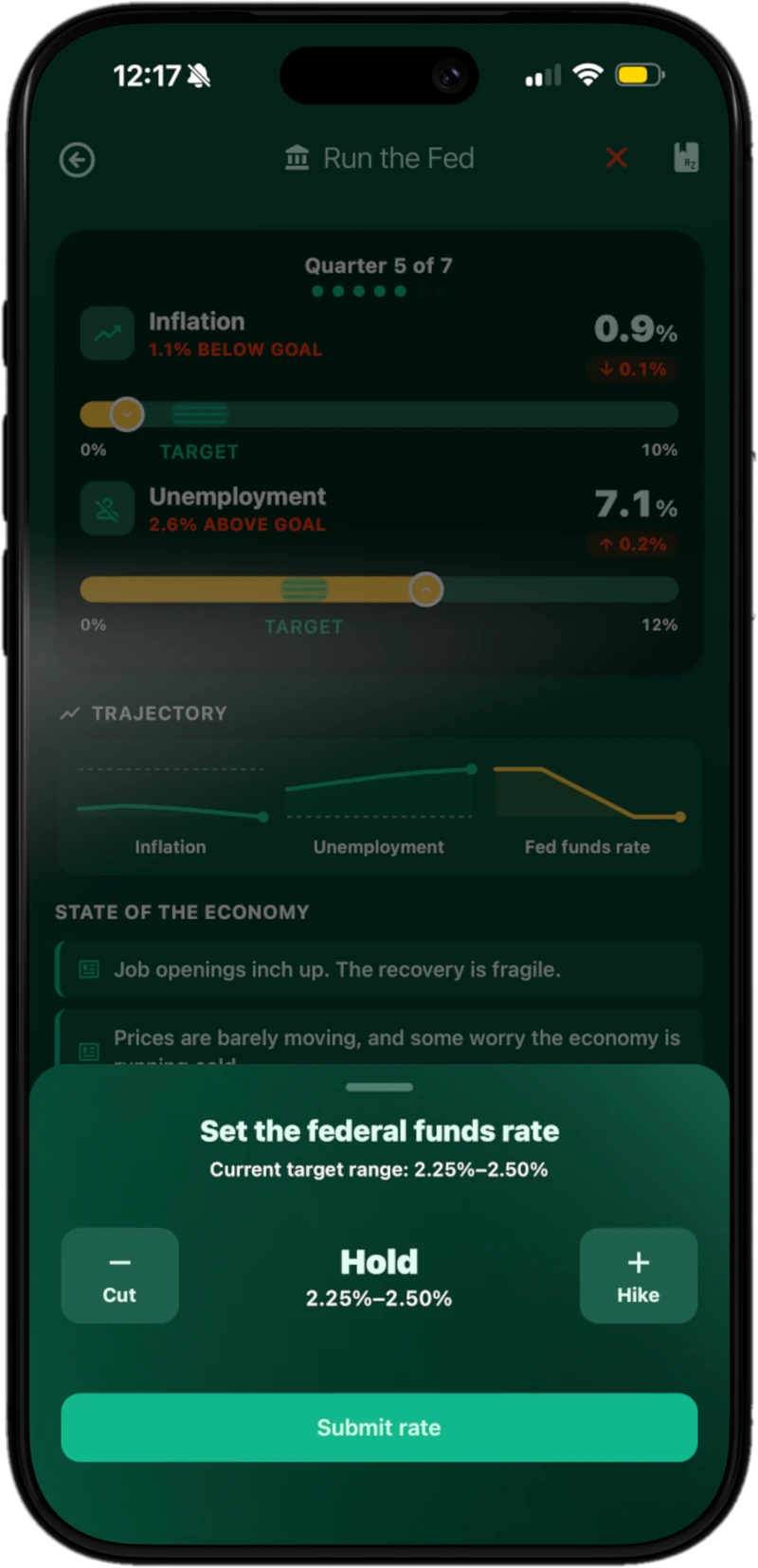
Analyze The Economy, Set The Rate
Each turn is one quarter. Students read the news, check the dual-mandate gauges, and move the rate in 25-basis-point steps. Then they commit their decision and see the economic outcomes. Like the real world, decision outcomes typically lag by a few quarters and each decision compounds to provide students with real-world implications from their decisions.
Access Real-World Scenarios
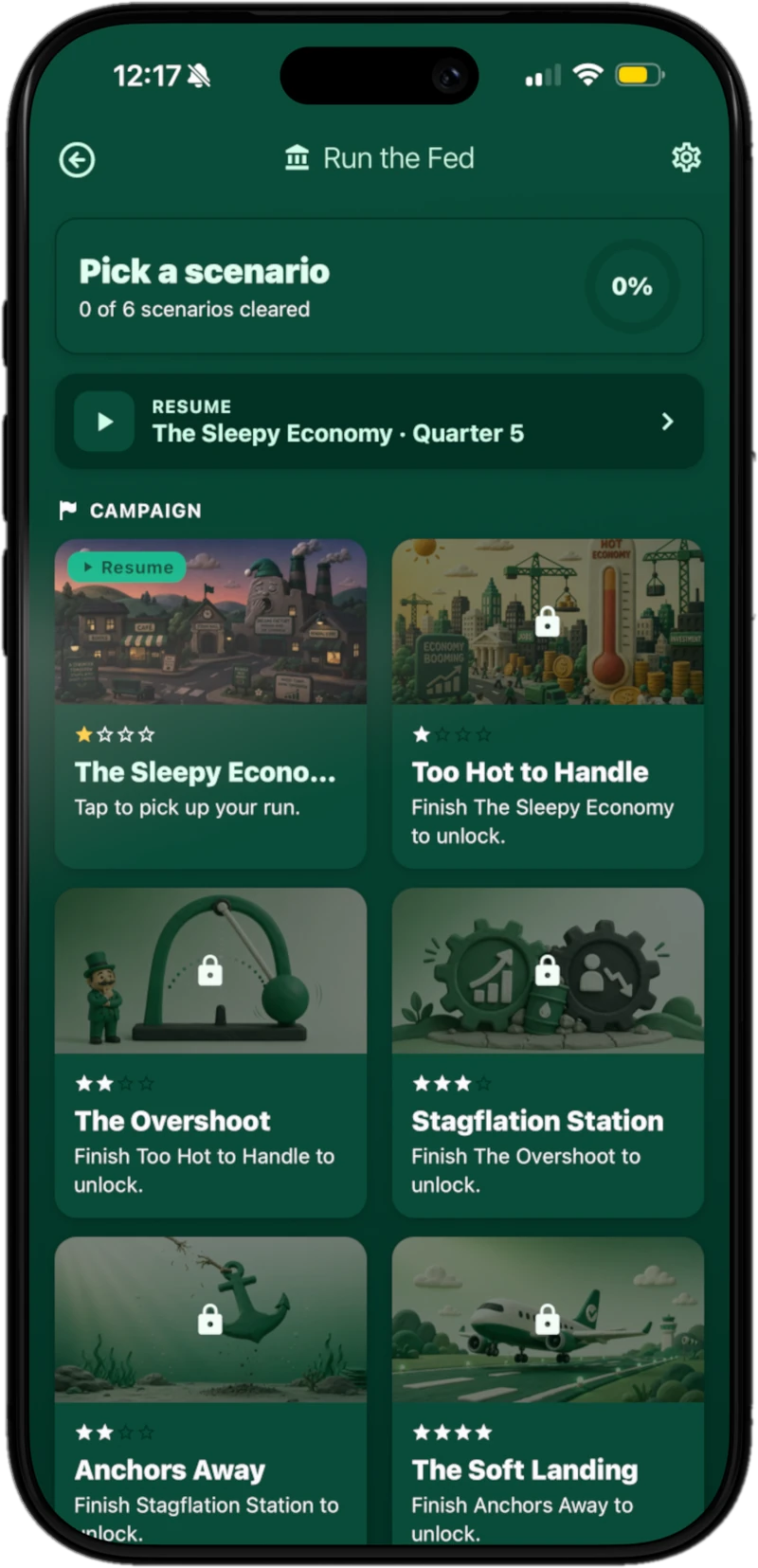
Six campaign scenarios ramp from a sleepy economy to a stagflation trap. Students are dropped into a disguised real crisis and only after playing do they learn they were fighting Volcker's inflation, steering the 2008 crash, or navigating the pandemic.
Their rate path is compared, quarter by quarter, against what the real Fed actually did to dive deeper into economic history throughout the student's learning experience.
 The Sleepy EconomyWake up a flat economy
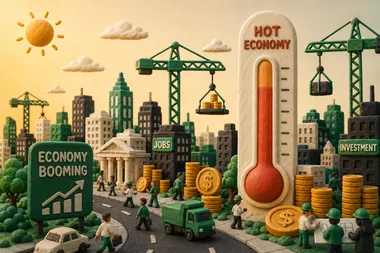 Too Hot to HandleCool demand without a crash
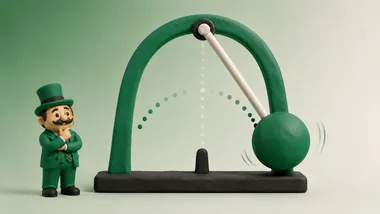 The OvershootPatience after the medicine
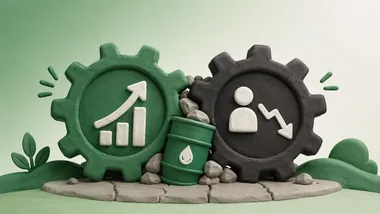 Stagflation StationTwo problems, one lever
 Anchors AwayRe-anchor expectations
 The Soft LandingThe hardest trick in economics
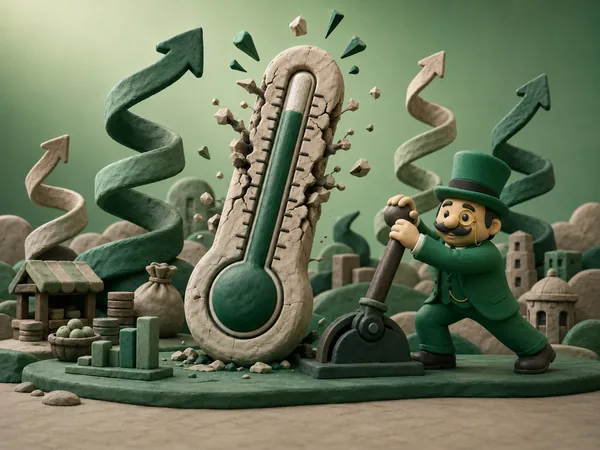 "The Fever"Blind history run
 "The Freeze"Blind history run
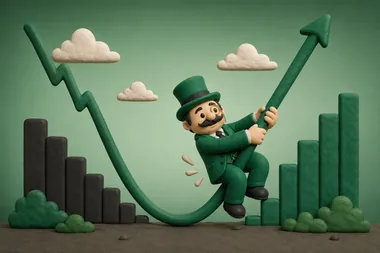 "The Whipsaw"Blind history run
Q1 · BRIEFING
The Sleepy Economy
Growth is flat, prices are calm, and hiring has stalled. The board wants to know: how low do you go, and how fast?
INFLATIONtarget 2.0%
UNEMPLOYMENTnatural 4.5%
Embedded Historical Lessons
Every reveal unlocks a mini-lesson tied to the era: what the Fed saw, what it chose, what happened next. Scoring uses a dual-mandate credibility score that rewards closeness to target, steadiness, and reasoning — not luck.
This whole simulation slots into Rapunzl's economics curriculum with pacing guides, activities, and assessments, so play converts into instruction you can defend to a department head.

Part of a Full High School Economics Course
Run the Fed anchors the monetary-policy unit of our 14-week High School Economics course, aligned to national standards and built around an economic-indicator dashboard with 70+ years of data.
See the Economics Course
Bring Run the Fed to your classroom
Request access and we'll walk you through the game and the economics course it belongs to.