Rapunzl was designed to provide an immersive and realistic trading experience with live pricing from Nasdaq, company financials sourced from the SEC, and decades of economic indicators streamed directly from the Federal Reserve.
Live Pricing on 8,000+ Stocks and Crypto
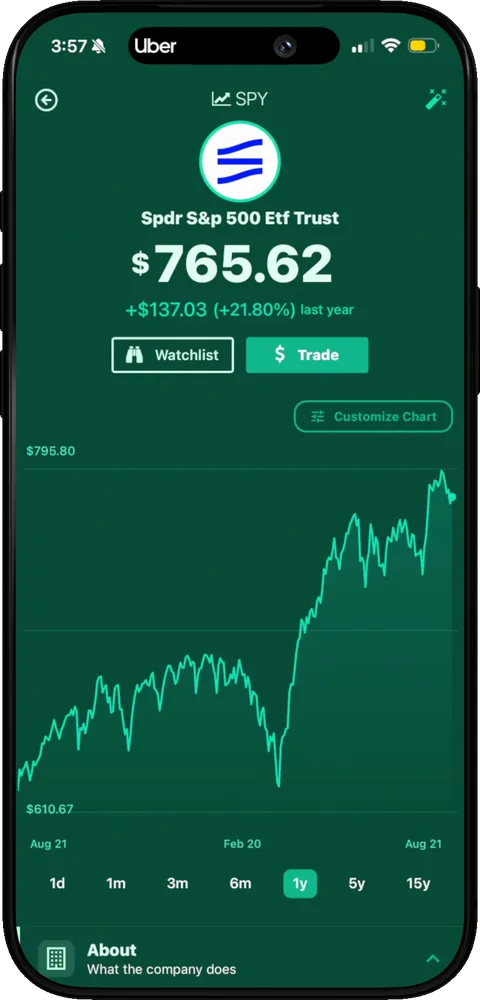
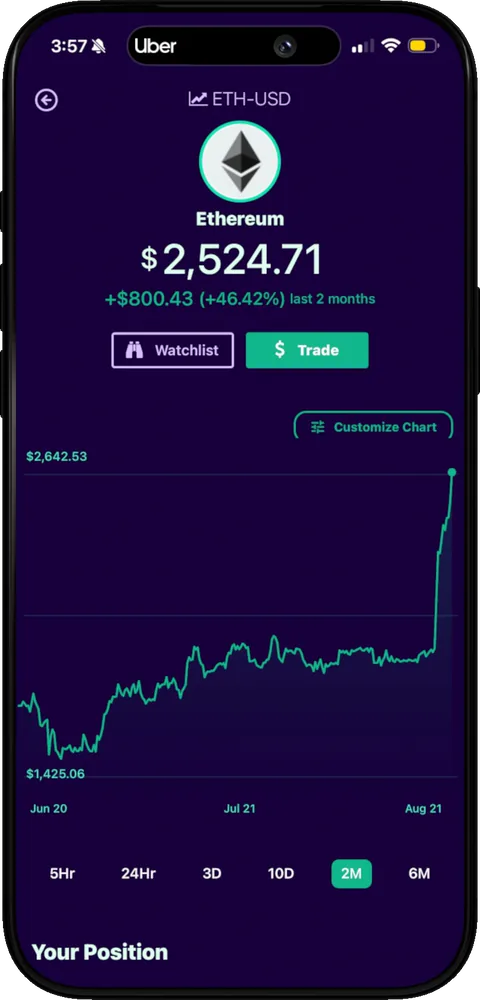
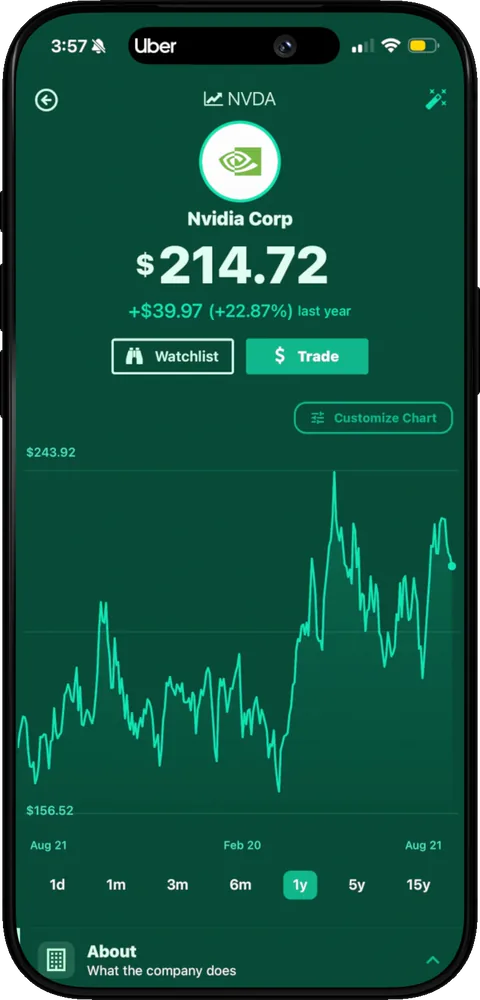
When the market moves, their screens move. Students trade a simulated $10,000 across 8,000+ stocks and crypto with real-time Nasdaq pricing. Rapunzl supports both long and short positions, watchlists, and the ability to backtest positions against historical data to view the impact of dollar-cost average.
Access Company Financials, Straight from SEC Filings
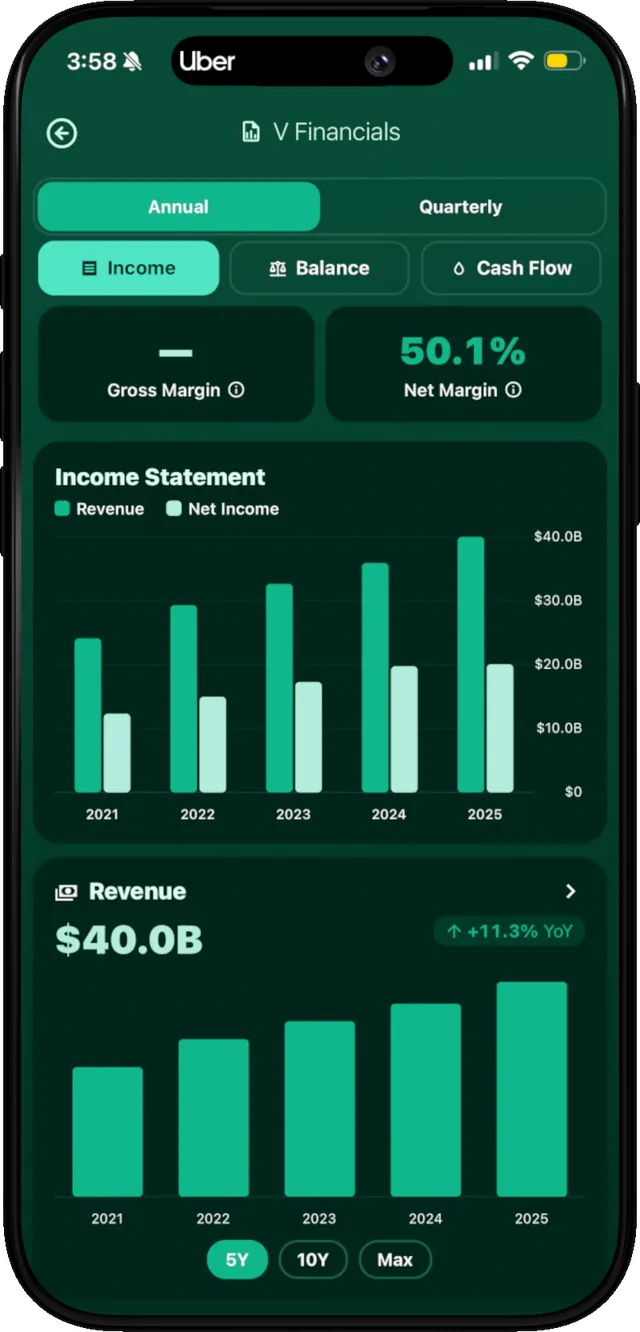
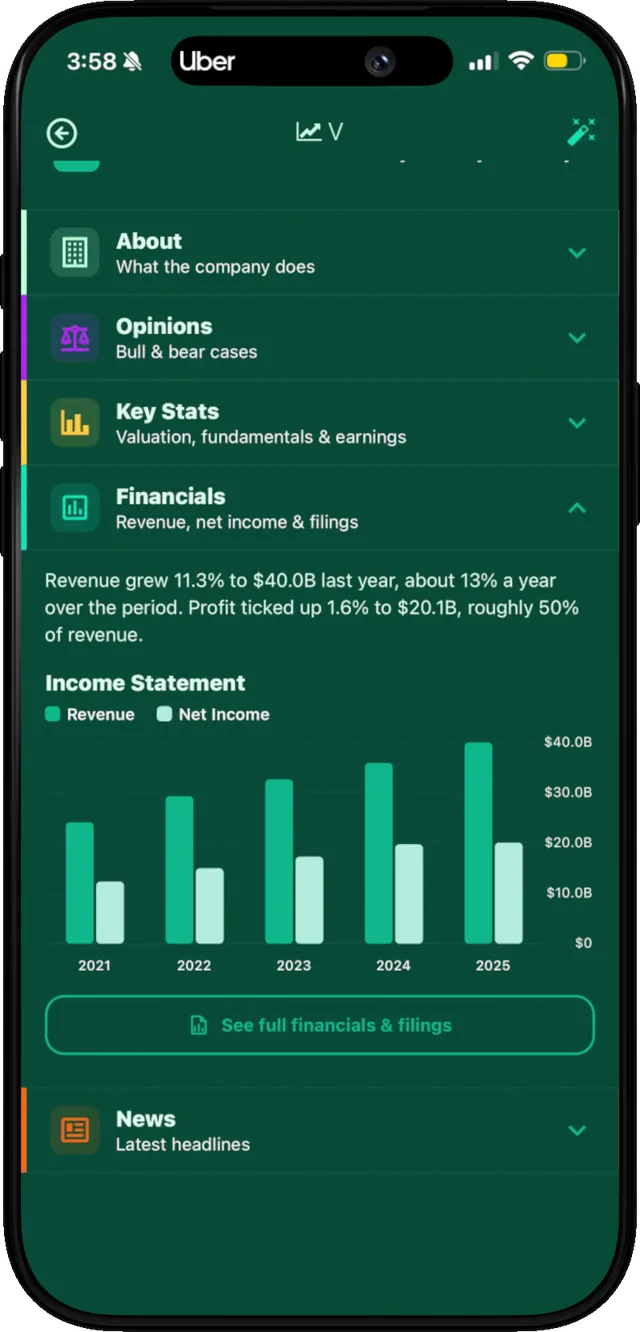
Students tap through interactive income statements, balance sheets, and cash-flow charts for thousands of public companies, built from actual EDGAR filings and linked back to the source documents. This provides students with access to primary source that they can apply their financial knowledge, providing students with the pathway to understanding investor psychology.
REVENUE
COST OF REVENUE
OPERATING INCOME
NET INCOME
Bulls Say / Bears Say
Every stock on Rapunzl provides students with a learning opportunity. We present students with the Bull Case and the Bear Case: arguments for and against the stock that help provide an informed investor thesis. This translates news articles into actionable insights for students.
What the Bulls Are SayingKO · Coca-Cola
Coca-Cola is expected to have a strong financial performance in the coming years, driven by its strong portfolio of 200 brands and its global presence in over 200 countries. The company's ability to navigate through challenging market conditions and its resilient business model make it a top pick for analysts, with its key CSD brands, including Coca-Cola, Diet Coke/Coke Zero, Sprite, and Fanta, contributing to its over 30% global market share.
What the Bears Are SayingWMT · Walmart
Walmart is facing significant challenges in the retail landscape and has been playing offense with price investments to stay competitive. While the company's recent actions on worker pay and sustainability are commendable, its investments in these areas may continue to negatively impact profitability. The intensifying competition in the digital battleground and potential increases in tariffs also pose risks to the company's future growth.
What the Bulls Are SayingNFLX · Netflix
Netflix is expanding their presence in the gaming industry, and partnerships with publishers are expected to bolster their lineup of original content. Despite some challenges with engagement and pricing options, the company has reported strong financials and is focused on increasing revenue and operating profit. Overall Netflix is solidifying its position as a global leader in streaming entertainment with a strong focus on customer satisfaction and strategic partnerships.
What the Bears Are SayingAAPL · Apple
Apple is facing significant challenges that could impact its growth and profitability in the near future. These include potential declines in unit sales and upgrades, a difficult pricing environment, and slowing growth in its services business. The company's current valuation is high compared to its historical levels and its premium to the S&P 500 and Nasdaq is unwarranted, with regulatory and geopolitical risks adding to the caution.
What the Bulls Are SayingBBY · Best Buy
Best Buy Co is well positioned in the consumer electronics market, with a strong presence in both domestic and international segments. The company's focus on improving customer experience through vendor relationships and store-within-store concepts, coupled with its diverse product offerings across multiple revenue categories, has led to strong financial performance. Its investments in media, marketplace, and membership programs are driving profit gains and positioning it for future growth.
What the Bears Are SayingHRI · Herc Holdings
Herc Holdings is facing a challenging outlook as it has issued initial guidance indicating a slow start to its updated three-year plan, with anticipated equipment rental revenue growth only in the range of 7-10% and a significant reduction in net rental capital expenditures. The company operates in a contracting environment, with the Architecture Billings Index in negative territory for five consecutive months, suggesting ongoing softness in industrial spending.
What the Bulls Are SayingDAL · Delta Air Lines
Delta Air Lines is positioned for strong financial performance due to structural cost savings and a reduction in jet fuel expenses, which are expected to enhance profit margins. The recovery of corporate travel and increasing premium revenue growth opportunities place Delta in a favorable position for continued revenue expansion, with projections indicating earnings per share could surpass $7 in 2024 and reach over $10 by 2027.
What the Bears Are SayingBAC · Bank of America
Bank of America is facing potential risks including a decrease in the value of bank equities, worse than expected asset quality, unanticipated capital actions, net interest margin pressure, and a more aggressive regulatory environment. While it posted record revenues in its Global Wealth and Investment Management segment and a strong balance sheet, rising net charge-offs and a reliance on trading revenue lead to a cautious, negative outlook on its stock.
What the Bears Are SayingKO · Coca-Cola
Coca-Cola is expected to face headwinds in organic sales due to a shift in the timing of impacts from concentrates under-pacing unit timing. However, the company's strong presence in emerging markets and its focus on expanding its portfolio in key categories like water, sports, coffee, and tea could help mitigate these challenges. Management's emphasis on cutting costs through a $3 billion productivity plan could also lift long-term profitability.
What the Bulls Are SayingWMT · Walmart
Walmart is positioned well in the retail industry with its wide array of products, diversified revenue streams, and strong e-commerce growth. Its focus on cost discipline, investment in technology and alternative revenue streams, and efficient delivery capabilities contribute to its strong financial performance and potential for future growth. Walmart's strong execution and management's emphasis on long-term growth drivers make it a promising investment opportunity.
What the Bears Are SayingNFLX · Netflix
Netflix is facing several fundamental challenges that are negatively impacting its stock outlook. These include slower growth in view hours, an increased focus on advertising revenue which may not be as lucrative as subscription fees, and the potential risks of competition from other streaming services. Its strategy of expanding into live and sports programming may not be successful, and the shift in business model may lead to slower, more volatile growth.
What the Bulls Are SayingAAPL · Apple
Apple is a dominant force in the tech industry, with a strong portfolio of products and services. They have continued to innovate and expand their offerings, with a focus on building a strong software ecosystem to complement their hardware products. With consistent double digit services growth and the potential for accelerated iPhone growth, along with investments in AI and payments, Apple has the potential for sustained long-term growth and value creation.
What the Bears Are SayingBBY · Best Buy
Best Buy Co is currently trading at a discounted relative P/E compared to its historical averages due to a decline in sales from the pandemic and the shift to online sales. The company is showing signs of improvement, notably in its appliance category which saw an increase in sales after four years of decline. With upcoming product launches and successful partnerships, it is expected to see continued growth in its key product categories.
What the Bulls Are SayingHRI · Herc Holdings
Herc Holdings reported rental revenue of $765 million, reflecting an approximately 8% year-over-year increase, with a notable 26% rise in EBITDA to $419 million. The company's strategic emphasis on long-term rentals and a broadening catalog of specialty items positions it to capitalize on ongoing demand and infrastructure opportunities, especially with federal spending on megaprojects anticipated to rise across diverse end markets.
What the Bears Are SayingDAL · Delta Air Lines
The analysis highlights significant challenges facing Delta Air Lines that suggest a negative outlook. Competitive pressures within the airline industry are anticipated to impact fare pricing, while a notable slowdown in international and corporate travel poses a risk to revenue generation. Macroeconomic factors contributing to diminished consumer demand for travel may further exacerbate earnings volatility across the airline sector as a whole.
What the Bulls Are SayingBAC · Bank of America
Bank of America is a leading financial institution with a globally diversified business model, strong deposit base, and a commitment to sustainability and diversity. Despite potential risks from macroeconomic concerns, the company has shown resilience through strong earnings in the second quarter and has implemented strategies to improve credit quality, though future performance may be impacted by interest rates and economic conditions.
Track 70+ Years Of Economic Indicators In Class
Rapunzl brings concepts such as inflation, unemployment, and the fed funds rate to life with interactive charts, detailed explanations, and a huge dataset for students to explore. Our program covers the Volcker era, 2008, and the pandemic, and watch how the indicators moved together to supplement our Rapunzl Economics course.
1979–1982 · Volcker takes the fed funds rate past 19% to break inflation
Inflation (CPI)
Headline and core CPI back to 1954, month by month, plus the year-over-year rate. Students see why $20 in their grandparents' first paycheck is not $20 today, and what a 9% year actually did to a grocery bill.
Jobs
Unemployment rate, payroll growth, and labor force participation through every recession since the fifties. Students watch the number they will one day be counted in spike in 2009 and again in 2020.
Rates
The fed funds rate, the 10-year treasury, and the spread between them — the yield curve students hear about on the news. It is the same series Run the Fed hands them the levers to move.
Growth
Real GDP and its quarterly change, with every official recession marked. Students get a working definition of a recession instead of a vibe, and can check it against the year they were born.
Markets
Index levels and drawdowns lined up against the same timeline as the economic series. Students can see for themselves whether the market and the economy move together — and how often they don't.
Consumer
Consumer sentiment, retail sales, and household debt levels. Students compare how people said they felt about the economy with what they went out and spent, which is rarely the same story.
Learn Economics by Running the Economy
Rapunzl's two econ mini-games help put students in the decision-maker's seat and provide project-based learning opportunities to apply classroom learning.
Students set the federal funds rate through real historical scenarios — Volcker's inflation fight, 2008, the pandemic — and watch inflation and unemployment respond on a lag.
Students start as a loan clerk and work up to bank president: reading borrowers, pricing risk, and growing a loan book that earns without blowing up.
~6 hours
Personal Finance or Economics
Frequently Asked Questions About Rapunzl's Real-Time Data
Yes. Simulator pricing streams live from Nasdaq's Last Sale Price feed, so the prices that students encounter on Rapunzl are the most accurate last trade prices that any investor could see. Financials are updated quarterly when companies submit filings with the SEC and our economic indicators are updated monthly. Bull and Bear cases are updated on a less or more frequent basis depending upon news and economic trends that emerge.
Company financials are pulled directly from the companies' quarterly SEC filings via EDGAR. The financials are then presented in the Rapunzl app as interactive statements with links to the underlying documents for students to learn the value of regularly reported financials.
Short, readable summaries of the strongest arguments for and against a stock, shown side by side so students practice weighing evidence. This provides students with the opportunity to weigh various investment arguments and arrive at their own informed conclusions.
Explore 70+ years of CPI, unemployment, interest rates, and the yield curve, era by era — the same dataset that powers our High School Economics course. This provides students with a massive dataset to explore trends and connect classroom learning to their simulated account.
See the data in action
Request a demo and we'll show you what your students would see on day one.





















 What the Bulls Are SayingKO · Coca-Cola